Always Busy, Never Ahead? Why Setting Boundaries Is the Fix

Have you ever reached the end of the day completely exhausted, but wondered what you actually accomplished?
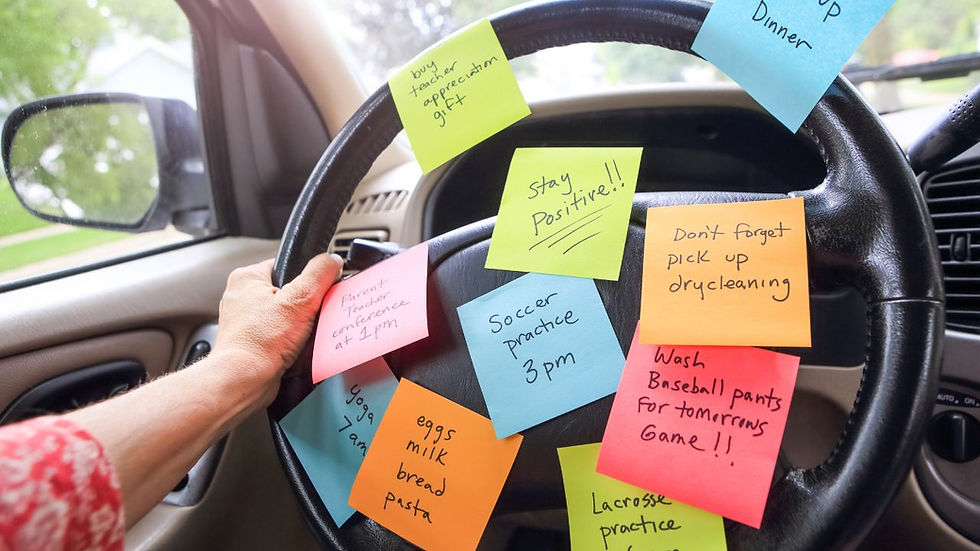
You responded to emails as they hit your inbox. You helped a coworker catch up on her project. You said yes to a meeting that you knew could've been an email. You squeezed in one more hour of work before finally calling it a night. Then you climbed into bed wondering why your own goals never seem to move forward.
Why don't you have time to exercise consistently? Why haven't you started the project you've been thinking about for months? Why does every day feel constantly busy but never like progress?
Maybe you've told yourself it's just a busy season. Once this project wraps up. Once the kids are back in school. Once things calm down.
But what if this isn't a season? What if it's become a pattern?
More often than not, the problem isn't that you're doing too little. It's that you're giving too much away.
The Hidden Cost of Always Saying Yes
If you struggle to set boundaries, it's usually because you care about people, and saying no feels like letting them down.
You want to help. You want to be dependable. You take pride in being the one people can count on. Those are wonderful qualities…until they start costing you your own time, energy, and peace of mind.
Every time you say yes without checking your own capacity, you're deciding how your time and energy get spent. Little by little, those decisions add up. Your schedule fills, your mind clutters, and your own needs quietly slide to the bottom of the list.
Then resentment can creep in. Requests that used to feel easy start to grate. Interruptions irritate you. You feel guilty for wanting time to yourself, even though you're desperate for it.
Here's the irony: the kindness you're trying so hard to offer everyone else gets harder to give, because you're running on empty. You can't pour from an empty cup, and pretending you can only leaves everyone with less of the best version of you.
Boundaries Aren't Walls
One of the biggest myths about boundaries is that they're mean – that setting boundaries makes you difficult or not supportive, someone who's always saying no.
That's not what healthy boundaries look like.
Boundaries aren't walls built to keep people out. They're guardrails that keep you from driving off the edge. Think about a guardrail on a winding mountain road – it doesn't stop you from reaching your destination, it simply keeps you safe along the way.
Healthy boundaries work the same way. They're not about becoming unavailable. They're about becoming intentional.
A boundary might mean protecting your evenings so work doesn't swallow your whole life. It might mean weekends are for your family, not your inbox. It could be declining a responsibility that was never really yours, or choosing not to answer every text the second it arrives.
Boundaries are less about saying no to people and more about saying yes to the life you actually want to live.
Why Setting Boundaries Feels So Uncomfortable
If setting boundaries feels uncomfortable, you're not doing it wrong – you're simply doing something new.
Many of us were taught that being a "good" employee, friend, parent, or partner means always being available. We worry people will think we're selfish. We don't want to disappoint anyone. Some of us even learned the idea that our worth comes from how useful we are to other people.
So we overcommit. We overextend. We apologize for having needs of our own. Eventually, putting ourselves last becomes so automatic we stop noticing we're doing it.
That discomfort you feel the first few times you set a boundary isn't a sign to stop. It's evidence you're breaking an old habit. Like any new skill, it gets easier with practice.
Five Ways to Start Setting Better Boundaries
Here are a few ways to level up your boundary game.
1. Pause before you commit. You don't have to answer immediately. Try "Let me check my schedule and get back to you." That small pause creates space between the request and your response, so you can tell whether you're saying yes because you genuinely want to or because you feel obligated.
2. Know your non-negotiables. What keeps you grounded and energized – a morning workout, dinner with your family, reading before bed, a quiet Sunday afternoon? These aren't luxuries. They're what help you function at your best. Protect them like appointments you don't cancel.
3. Keep your no simple. You don't owe anyone a lengthy explanation. "I can't commit right now." "I already have plans." "Thank you for thinking of me, but I'll pass." Simple, respectful, complete. The more you explain, the more room you leave for someone to talk you out of it.
4. Tune into your body. Tension in your shoulders, a clenched jaw, a pit in your stomach, a dip in energy can all be signals from your body telling you of a boundary issue before your mind has had a chance to process. Pay attention to those signals.
5. Ask yourself one powerful question. Before saying yes, ask: "If I say yes to this, what am I saying no to?" Every yes has a cost. Maybe it's an evening of rest, your workout, dinner with your family, or progress on your own goals. The question isn't whether the request is good. It's whether it's worth what you're giving up.
The Ripple Effect of Better Boundaries
Here's what surprises most people: setting boundaries doesn't make your world smaller. It makes your life richer.
Picture this…
Leaving work on time because your evenings belong to you.
Being fully present at dinner instead of half-answering emails.
Confidently declining on a social event you weren't excited about, and spending that evening reading or walking instead.
Protecting time for your own goals instead of constantly reacting to everyone else's priorities.
Those moments may feel small, but they add up – a little more replenishment, a little more energy, a little more breathing room. Over time, you feel less reactive and more intentional. You stop wondering where your time went, because you're finally choosing where it goes.
You Teach People How to Treat Your Time
Every boundary you set communicates something. It tells people how your time, energy, and attention should be treated.
If you're always available, people learn to expect it.
If you answer emails at all hours, they'll assume that's normal.
If you always say yes to helping, they'll keep asking.
That's usually not because people are trying to take advantage of you – it's because you've unintentionally taught them what to expect.
The good news is you can teach something different. Kindly. Respectfully. Consistently.
Where Could You Use More Breathing Room?
Think about different areas of your life. Where do you feel stretched thin? Where has resentment started creeping in? What's one commitment you keep saying yes to simply because it's become a habit?
You don't need to transform your whole schedule this week. Just choose one small boundary – one conversation, one no, one protected hour. One decision that honors your responsibilities, your desire to be there for others, and yourself.
Boundaries aren't about doing less for others. They're about making sure you have enough energy to fully show up for the people, priorities, and experiences that matter most – including yourself.
If you're struggling to figure out where to start, or you know your lack of boundaries is feeding the overwhelm you feel every day, I'd love to help. Sometimes an outside perspective is what it takes to see where your time and energy are quietly leaking away – and to find the small changes that create a big shift.
You don't have to keep running on empty. You can build a life with more breathing room, more balance, and more joy, one boundary at a time.
Enjoy the journey,
Julie


Comments